



Classic period shipwreck
Peristera
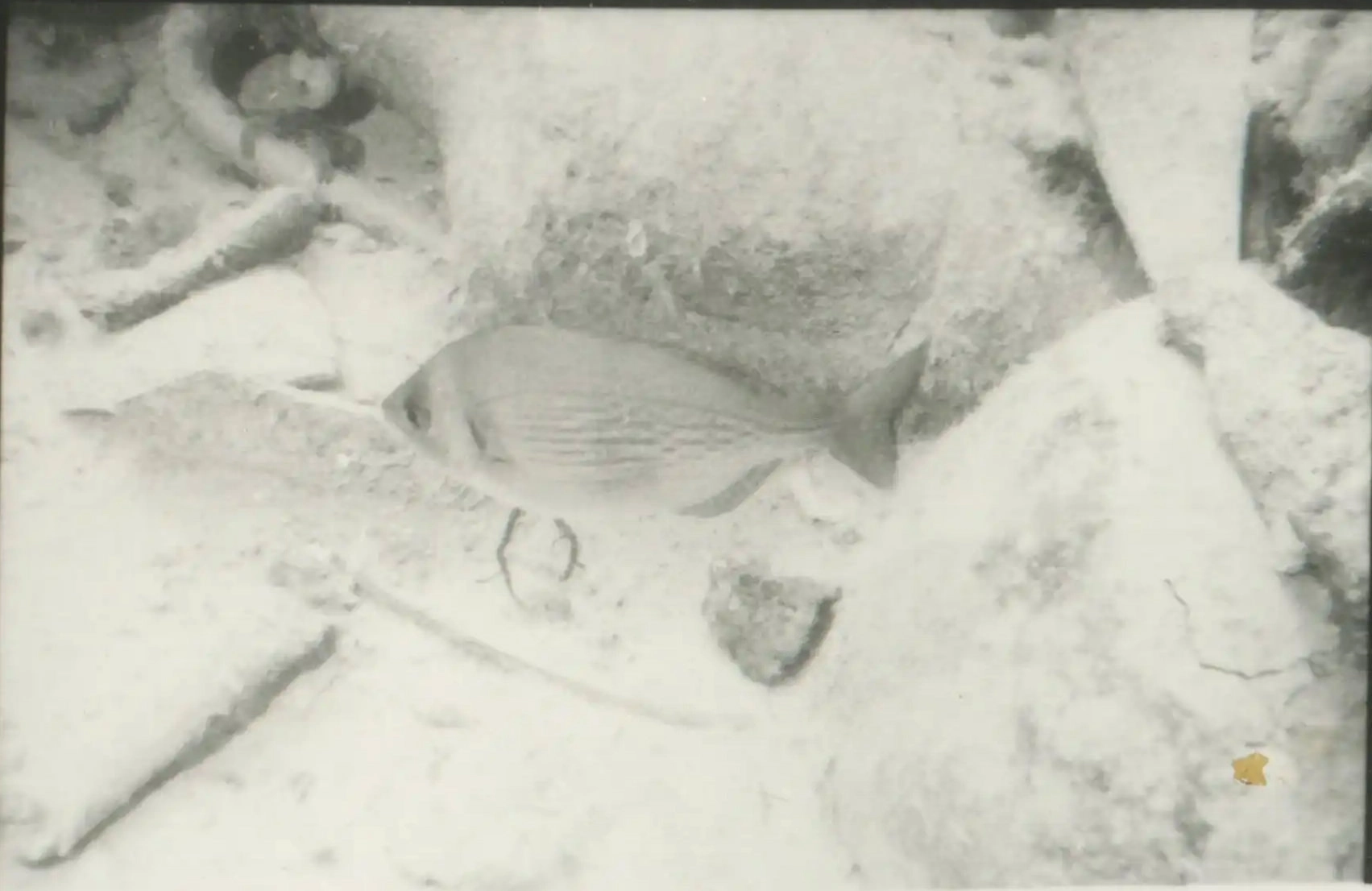
The island of Peristera belongs to the Northern Sporades complex and is located a very short distance east of Alonissos. North of Kokkalia Bay, at a distance of 150m from the coast and at a depth of approximately -23 to -28 msw, the cargo of amphorae from an ancient merchant ship that was wrecked there in the classical era, around 425-400 BC, is preserved on the seabed.

The archaeological significance of the Peristera shipwreck
This shipwreck is one of the most important of classical antiquity. The Ephorate of Underwater Antiquities conducted excavations under the direction of Dr. Elpida Hatzidaki in 1992, 1993, 1999, and 2000. From this research, it is concluded that the ancient merchant ship transported over 3,000 amphorae of wine from two well-known wine-producing cities of the time, Mende in Chalkidiki and Peparithos (present-day Skopelos). Under the numerous amphorae, fine ceramic vessels of excellent quality (black-painted kylikes, bottles, etc.) were identified and raised, which were also intended for trade. Only a few copper nails and small pieces of wood have been found from the ship’s hull itself, some of which bore traces of burning, an element that indicates fire as one of the possible causes of the shipwreck.
The impressive image of the shipwreck, the short distance from the bay of Steni Vala in Alonissos and the accessible depth, were strong motivations for choosing the shipwreck as the first underwater museum in Greece, which has been open to the public since 2020.
The research
In 1985, local fisherman Dimitris Mavrikis reported to the Ephorate of Underwater Antiquities the existence of an ancient shipwreck on the island of Peristera. The then Director, Dr. Elpida Hatzidaki, organized the first reconnaissance survey, which took place in 1991. It was discovered that the ancient shipwreck was significantly larger than the previously known shipwrecks of classical times, and a systematic excavation was deemed necessary.
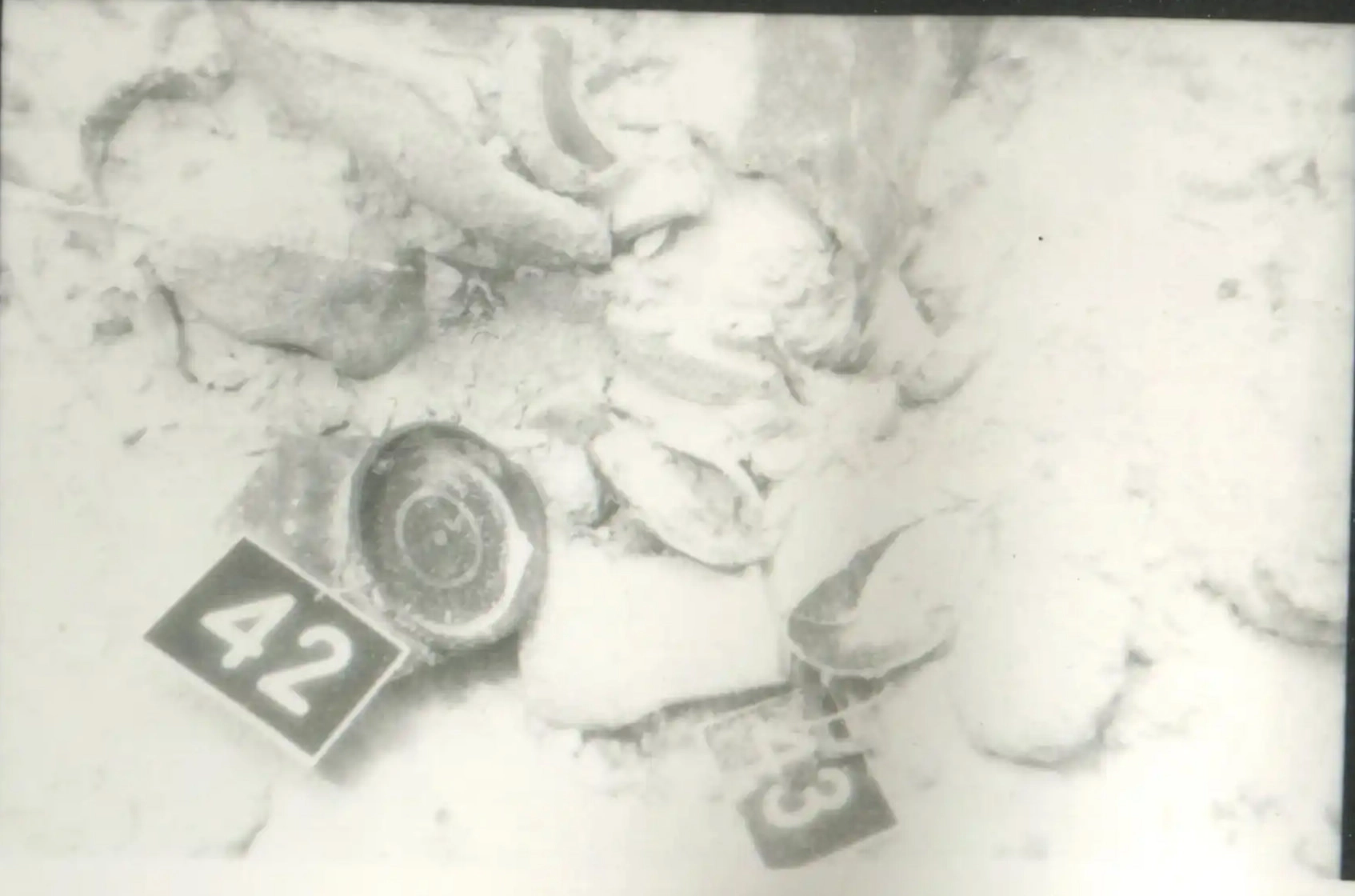
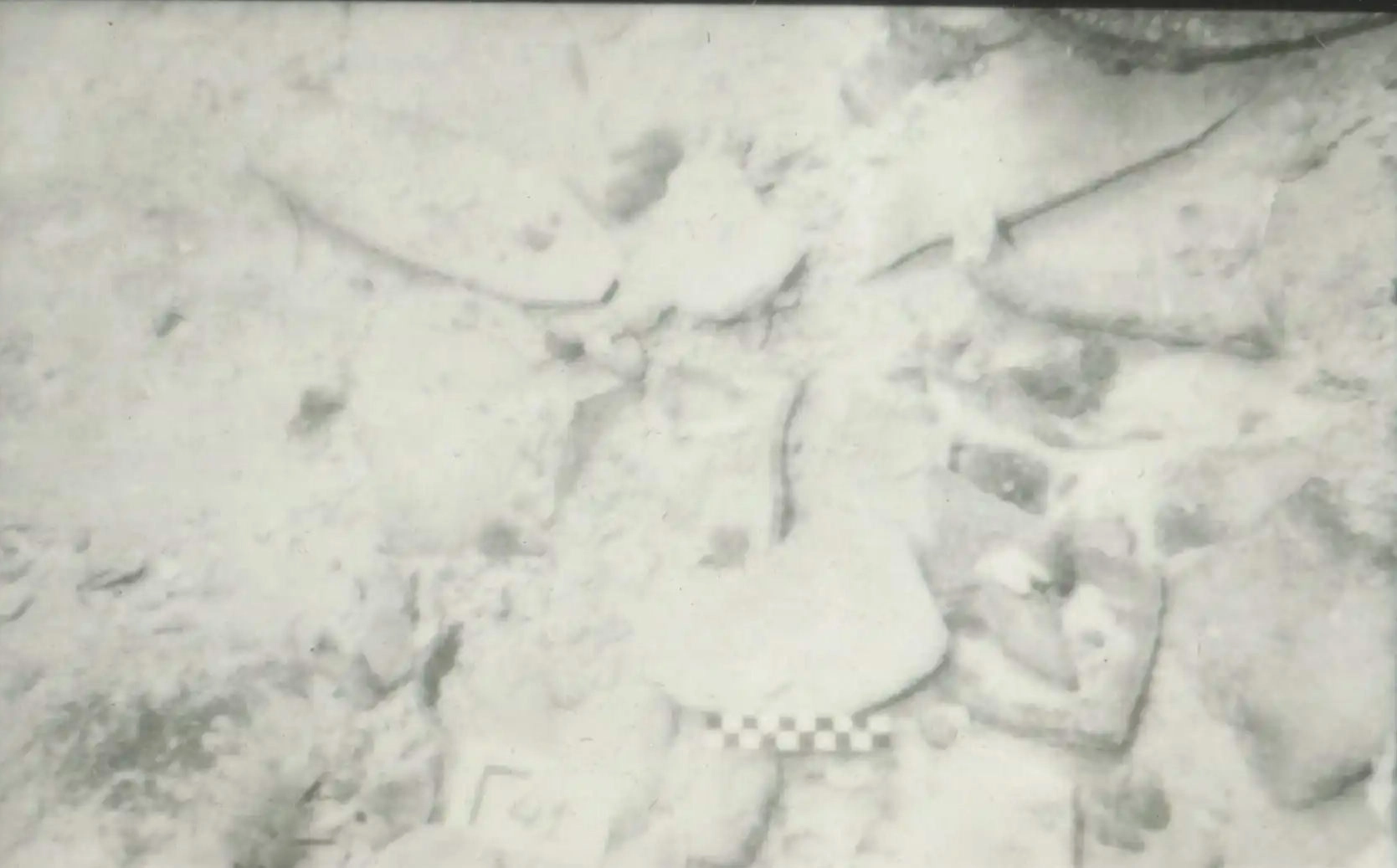
In the four research periods that followed (1992, 1993, 1999 and 2000) the shipwreck was mapped, over 1,000 surface amphorae were counted and an excavation section was carried out, transverse to the longitudinal axis, which showed that the amphorae were loaded in at least three layers, while in the lower layers it revealed very good quality black-painted ceramics (plates, cups, etc.) that are among the ship’s marketable cargo. Vessels used by the crew were also found, such as clay drinking vessels, cauldrons, lamps and a clay mortar (mortar) for grinding food. Only a lead anchor link was found from the ship’s rigging, while no identifiable element has been found from the ship itself, except for a few copper nails and a few small pieces of wood which, however, were dated using the carbon 14 (C14) method and gave a range of shipbuilding dates between 480 and 420 BC.
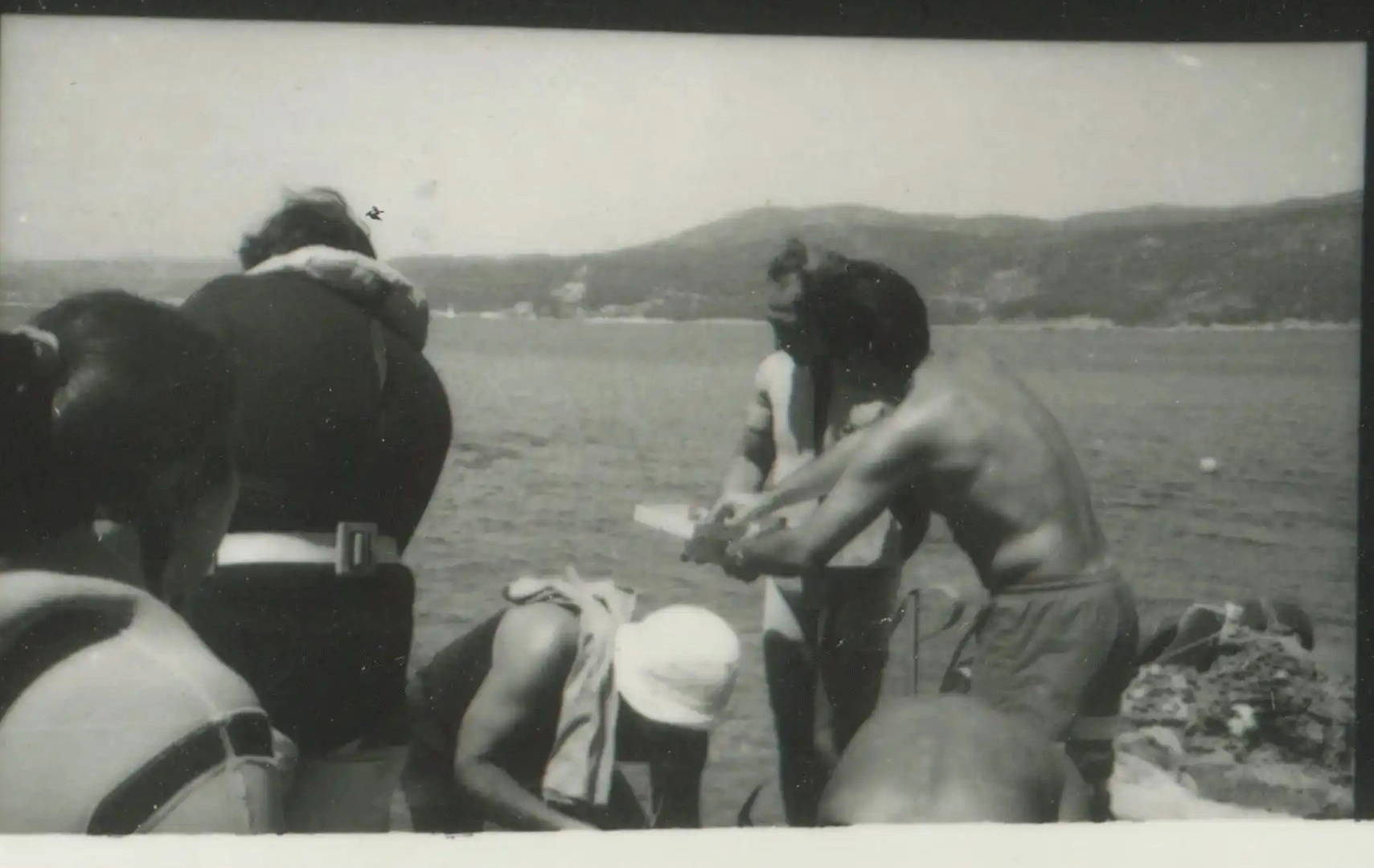
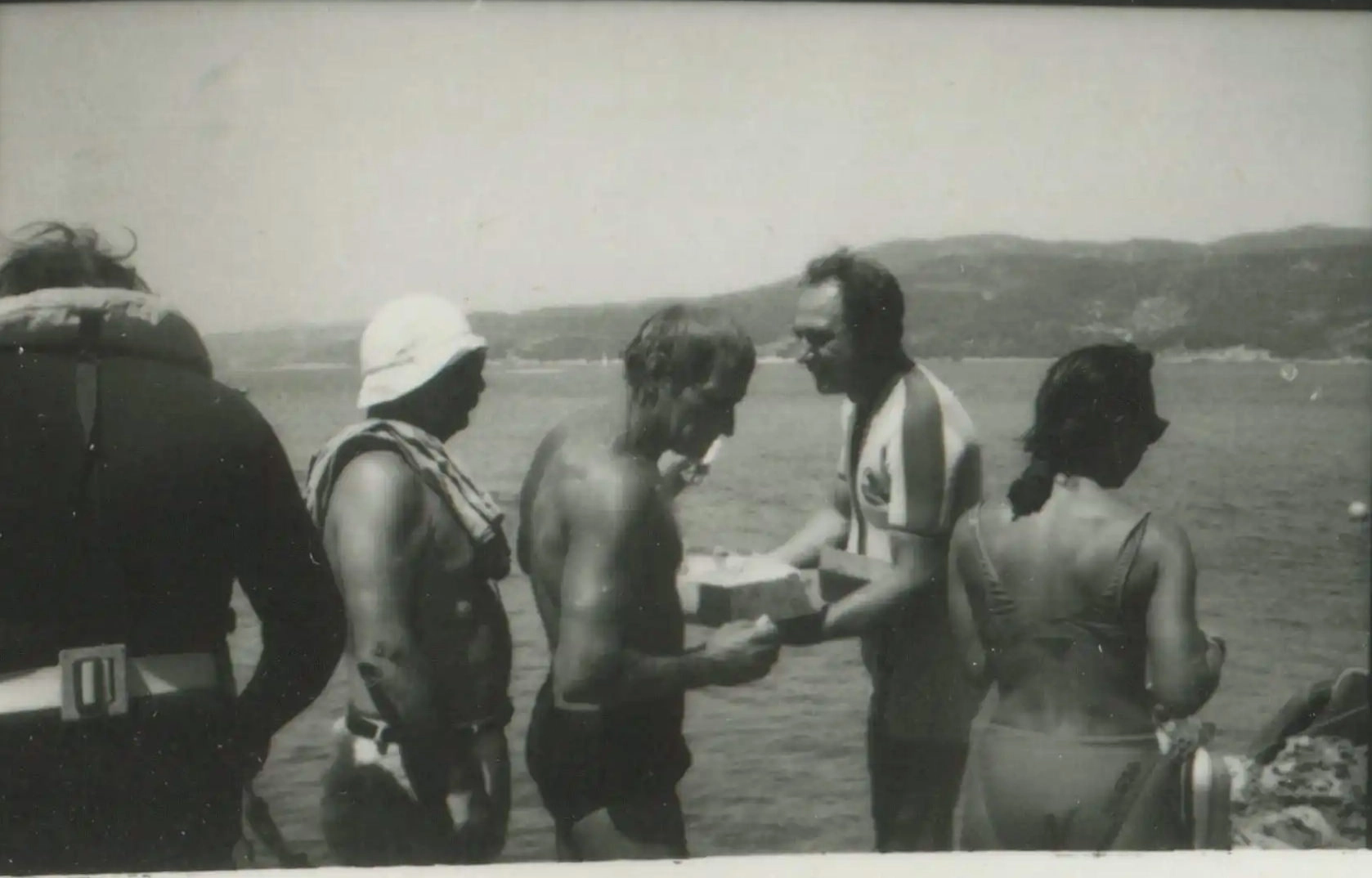
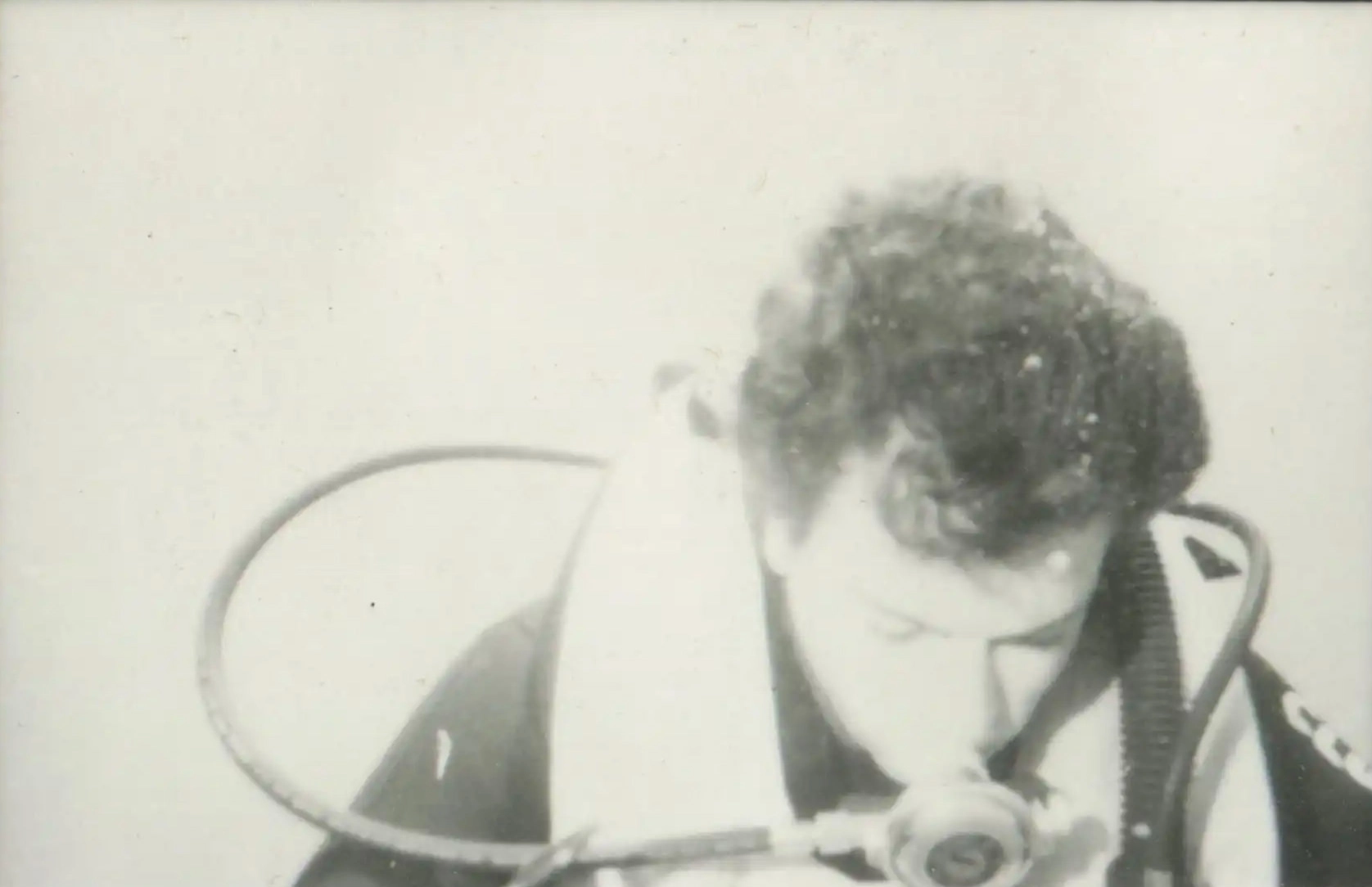
This research, conducted with the assistance of numerous Ephorate staff, including both regular and temporary personnel from all specialties, and with the support of the Navy, was the most extensive underwater excavation of its time. Pioneering methods of recording were tested for their time. At the same time, scientific conclusions demolished the theory that placed the construction of such large merchant ships much later, in the Roman period, specifically during the 1st century BC.