



Byzantine period shipwreck
Agios Petros (Kyra Panagia)
In 1970, in the bay of Agios Petros in Kyra Panagia (also known as Pelagonisi), an impressive Byzantine shipwreck was discovered dating back to the mid-12th century AD. The ship, with estimated dimensions of 25×8 meters and a displacement of at least 100 tons, is a valuable piece of the maritime history of the Aegean.

An important Byzantine shipwreck
In 1970, in the bay of Agios Petros in Kyra Panagia (also known as Pelagonisi), an impressive Byzantine shipwreck was discovered dating back to the mid-12th century AD. The ship, with estimated dimensions of 25×8 meters and a displacement of at least 100 tons, is a valuable piece of the maritime history of the Aegean.
The dimensions of the ship were estimated at 25×8 meters, with a displacement of at least 100 tons. The ship’s cargo included commercial amphorae, numerous glazed tablets with elaborate engraved decoration, six millstones, as well as small quantities of lamps, amphorae, jars, pithoi and glass vials.
The discovery
Oral testimonies indicate that the Byzantine shipwreck in the bay of Agios Petros was discovered in the early 20th century by sponge divers, just like the classical shipwreck of Fagros at the entrance to the same bay. During the 1960s, it gained intense publicity due to the case of its extensive looting by foreign antiquities smugglers, which was revealed with the confiscation of excellent quality Byzantine paintings from the 12th century AD.
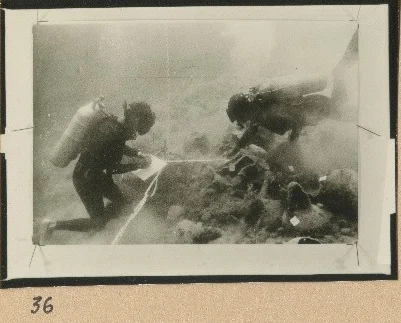
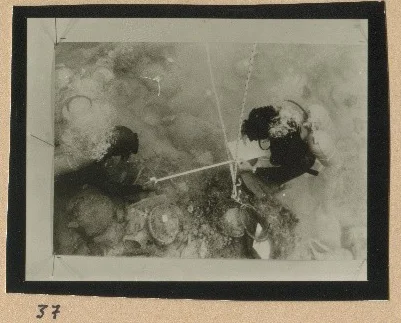
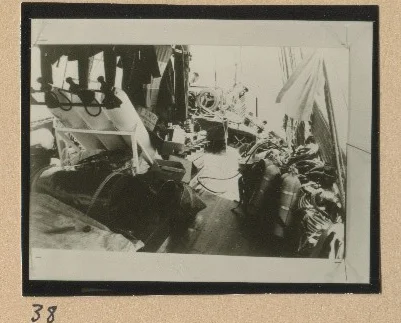
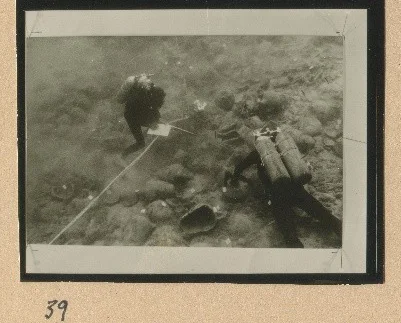
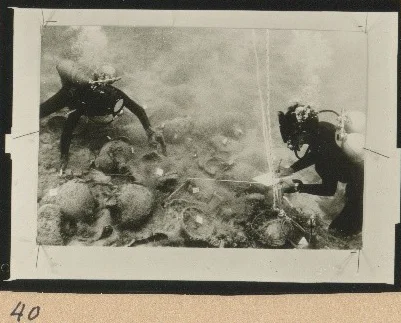
These events contributed to the decision of the General Directorate of Antiquities to carry out an underwater archaeological survey. The excavation was carried out under the direction of archaeologists Katerina Romiopoulou and Charalambos Kritzas, in collaboration with P. Throckmorton as technical director, marking the first large-scale underwater archaeological survey in Greece, even before the establishment of the Ephorate of Underwater Antiquities.
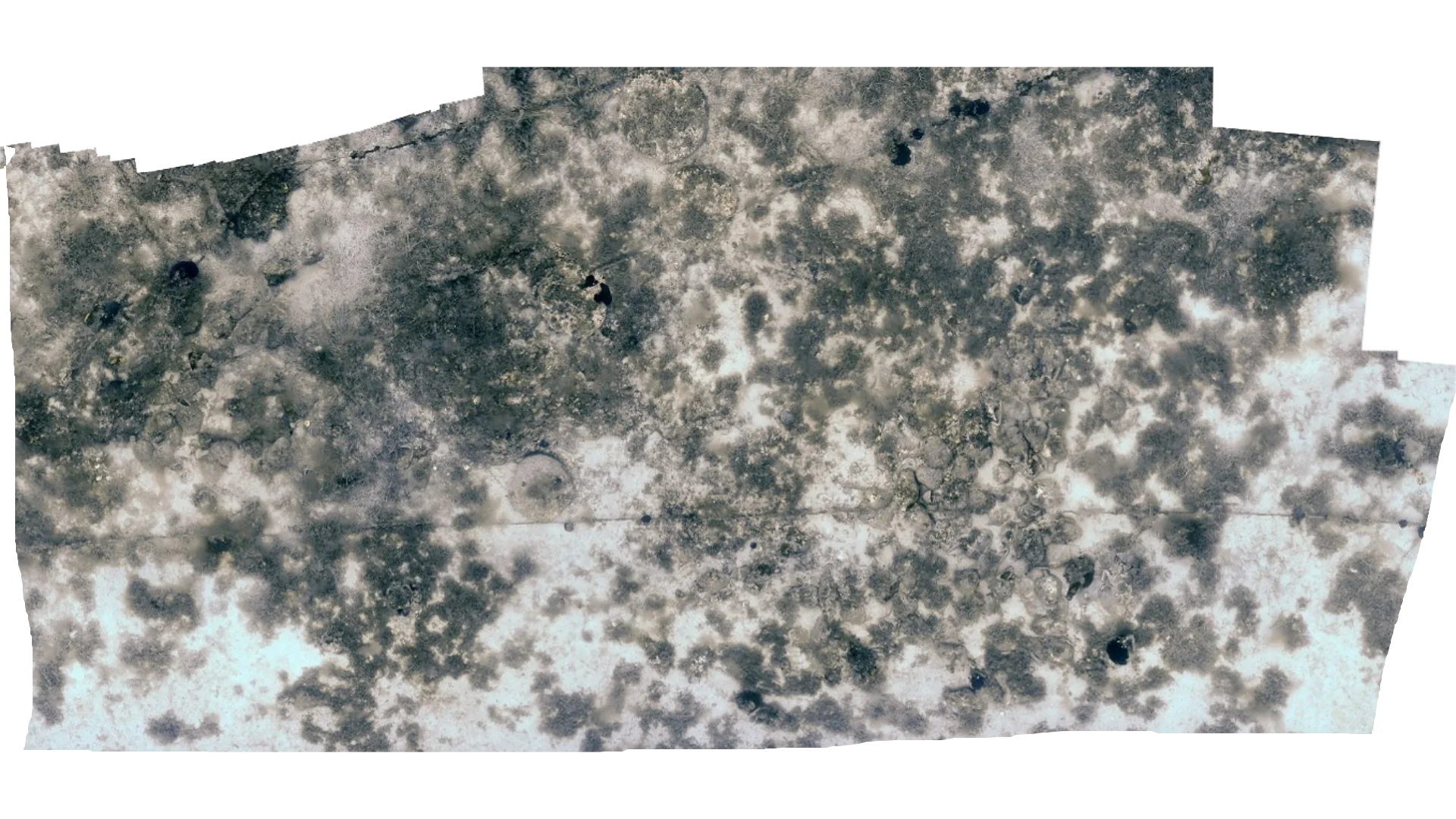
The research was carried out in the summer of 1970 and evolved into two phases. Initially, the wreck was photographed by creating a photomosaic, while sample extractions were also carried out. Subsequently, most of the ceramic finds were extracted and two test cuts were made, which revealed preserved parts of the ship’s wooden structure, such as the spars and the skin.

The ship
The shipwreck of Agios Petros is an important testimony to Byzantine navigation and trade in the Aegean region during the 12th century AD. From the dimensions of the surviving parts, it is estimated that the ship had dimensions of 25×8 meters and a displacement of at least 100 tons. During the reconnaissance survey, a large part of the ship’s hull was found in good condition.
The cargo
The ship’s cargo included six large granite millstones and commercial amphorae of the Günsenin III type, in two variants. These represent one of the most widespread amphora types of the Middle and Late Byzantine periods. The same amphorae were classified by Bakirtzis into the 5th group of “magaric” amphorae, a testament to their wide distribution and diverse production.
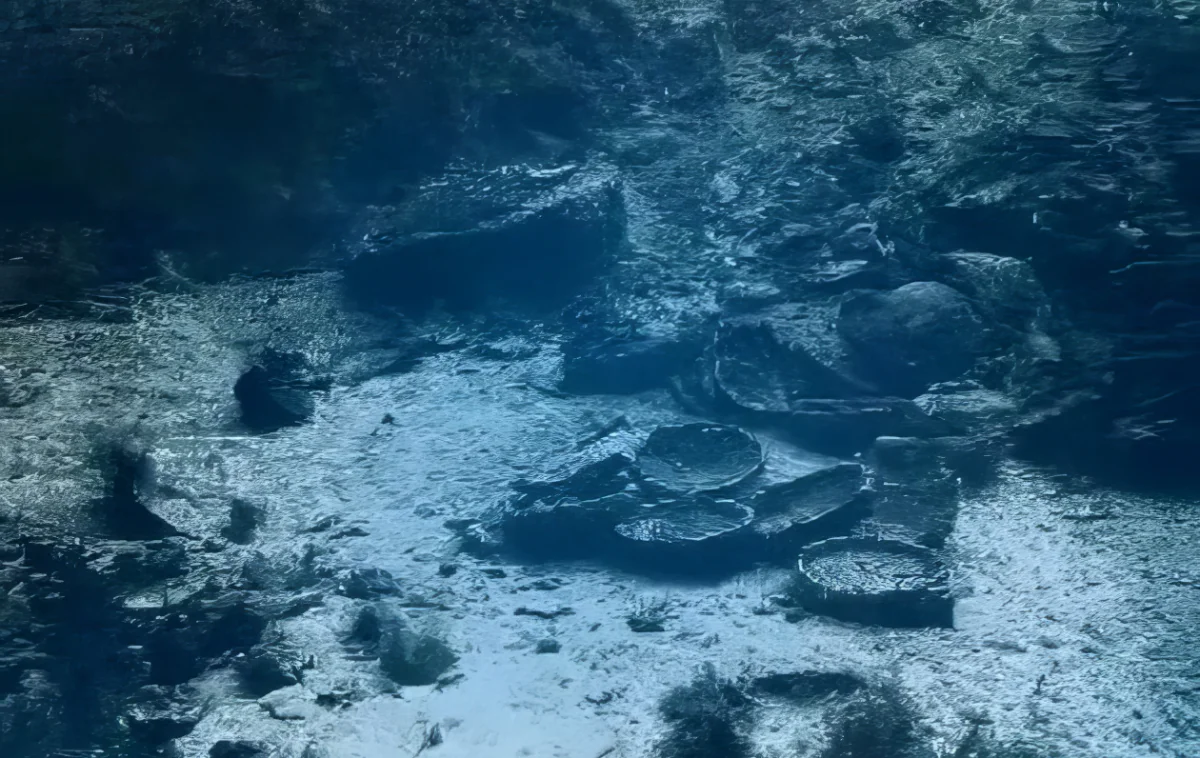
In addition, more than 700 glazed plates (sgraffito ware) with elaborate incised decoration were found, featuring geometric motifs as well as representations of plants and animals — both real and mythical.
Objects found in smaller quantities — such as lamps, small amphorae, jugs, storage jars (pithoi), glass vials, lids of wide-mouthed vessels, and a fragmented bronze cauldron — may be attributed to the ship’s equipment. Traces of both the 1970 archaeological investigation, such as a section of the perimeter line made of polypropylene, and of subsequent looting by antiquities thieves are also visible on the site, including clear breakages of amphorae and plates.